Elevate Your Living Space: Fresh Ideas for Impressive Home Additions
Revitalizing a home through thoughtful additions can meaningfully elevate both its practical value and visual charm. From light-filled sunrooms that embrace the outdoors to expansive decks perfect for entertaining, the opportunities are endless. Enlarging essential spaces, such as kitchens, encourages togetherness, while a dedicated garage can eliminate storage problems. Appreciating core design factors and careful planning is crucial. Yet, what genuinely motivates homeowners to pursue these improvements? The answer rests in the remarkable impact of expertly completed home additions.
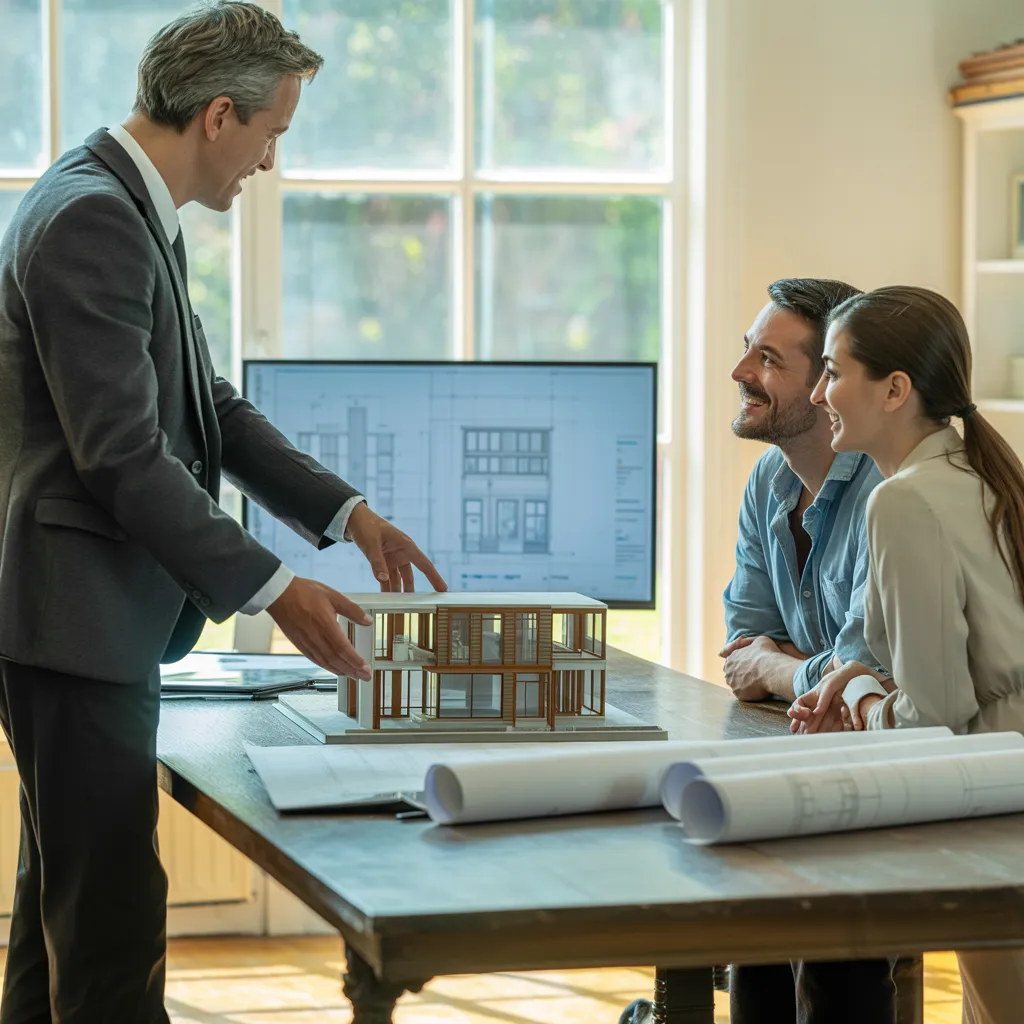
Explore Popular Home Addition Ideas to Transform Your Space
Homeowners frequently look for creative methods to improve their living spaces, and discovering trending home addition concepts can provide remarkable improvements. One highly popular choice is incorporating a sunroom, which brings natural light indoors while creating a serene space for relaxation. An equally attractive option is a deck or patio, extending the living area outdoors and perfect for entertaining.
Homeowners might also think about enlarging their kitchen spaces, rendering them more practical and welcoming. A garage addition not only supplies more storage capacity but can additionally function as a personal workshop or creative space.
For those needing additional sleeping quarters, a bedroom extension can provide much-needed privacy and comfort. Furthermore, repurposing attics or basements into usable spaces creates an opportunity for imaginative design while optimizing the available square footage. All of these concepts carry the potential to improve both practicality and visual appeal, ultimately turning a home into a more pleasant living space.
How Home Additions Can Enhance Your Lifestyle?
Home additions can considerably expand living space, providing families with room to grow and adapt. Moreover, expanding a home can lead to increased property value, making it a sound investment. Finally, these expansions frequently strengthen family bonds by creating shared areas for activities and gatherings.
Improve Living Space
Extending a residence through home expansions can markedly improve one's way of living by providing greater comfort and functionality. For families, new rooms can accommodate growing needs, such as a playroom for children or a home office for remote work. A thoughtfully designed addition can develop a seamless flow between outdoor and indoor spaces, promoting leisure and connection. Additionally, incorporating elements like open floor plans or large windows cultivates a sense of spaciousness and natural connection. Upgraded home spaces also support personalized design choices, reflecting individual tastes and preferences. Ultimately, home expansions not only improve current areas but also create environments that promote well-being and improve daily living experiences.
Improve Property Value
Investing in property additions can significantly increase a home's market worth, making it an intelligent financial move. By expanding square footage or incorporating practical areas, homeowners can attract potential buyers and boost selling prices. Elements including new bedrooms, contemporary kitchens, or multipurpose living areas frequently generate impressive investment returns. Furthermore, enhancements like sunrooms or decks not only enhance visual appeal but also satisfy contemporary living aspirations, further boosting desirability. A carefully designed expansion can transform a home into a more valuable asset, responding to today's market conditions and buyer interests. Ultimately, strategic home additions represent an effective strategy for maximizing property value while elevating the quality of life for present homeowners.
Nurture Family Ties
A thoughtfully planned addition can significantly enhance family connections by establishing spaces that encourage interaction and unity. Open-concept floor plans, such as family rooms or large kitchens, serve as hubs for collective activities, fostering communication and togetherness. Purpose-built areas for hobbies or playrooms give children a place to explore, while adults can enjoy nearby social spaces. Moreover, integrating outdoor living spaces, like patios or decks, allows families to congregate in a relaxed environment. These enhancements not only promote everyday connections but also create a backdrop for lasting gatherings and celebrations. In the end, well-planned home additions convert living environments into enriching spaces that strengthen family ties, improving overall quality of life.
Critical Design Elements to Transform Your Home Addition
As homeowners plan a home addition, integrating essential design elements can greatly enhance both aesthetics and functionality. Important components consist of natural light, which can be attained with large windows or skylights, creating a bright and inviting space. Furthermore, an open floor plan promotes seamless flow between original and expanded sections, fostering a sense of continuity.
Incorporating coordinating materials and tones guarantees the addition harmonizes with the original structure, sustaining architectural integrity. Strategic configuration of fixtures and furnishings enhances practicality, making the space practical for everyday life. Exterior links, such as a patio or deck, serve to enlarge living spaces and inspire outdoor engagement. Furthermore, sustainable design approaches, incorporating sufficient insulation and environmentally friendly materials, support lasting savings and ecological mindfulness. By emphasizing these critical design factors, homeowners are able to develop a unified and attractive extension that elevates their lifestyle.
Plan Your Home Addition Project Effectively
Proper planning is essential for a successful home addition undertaking. Homeowners ought to start by establishing their objectives, whether it's expanding their living area, boosting practical use, or increasing property value. Establishing a clear vision serves to navigate the design and construction process. Additionally, reviewing regional zoning ordinances and construction codes is essential to secure conformity and sidestep potential obstacles.
Establishing a schedule that defines each phase of the project assists in maintaining clarity and responsibility. Property owners are also encouraged to consider consulting experts, including designers or contractors, for professional insight and to optimize the project.
In addition, stressing the importance of team member communication promotes cooperation and tackles problems as they emerge. Finally, planning ahead for upcoming demands can support the development of an addition built to serve evolving needs. By applying these principles, homeowners can approach their home addition endeavors with increased certainty and focus.
Planning Your Home Addition Budget: Key Tips
Creating a budget for a home addition requires careful consideration and planning to minimize surprise expenditures. Homeowners ought to start by establishing a practical budget that encompasses every element of the project, such as permits, building materials, labor costs, and contingency expenses. It is recommended to set aside a further 10-20% of the entire budget for unforeseen situations.
Gathering and evaluating quotes from multiple contractors can offer useful click here information and assist in reaching well-informed choices. Moreover, homeowners ought to distinguish between their needs and desires, ensuring that essential features are included while remaining within budget.
Developing a detailed timeline can help with aligning expenditures with project phases, minimizing financial strain. Additionally, working with a financial expert or a contractor can shed more light on possible expenses and funding solutions, guaranteeing that the budget remains manageable throughout the residential addition endeavor. This thoughtful strategy facilitates a successful and financially sound residential expansion.
Inspiring Real-Life Home Addition Transformations
Stunning home addition upgrades demonstrate the impressive potential of private residences. A perfect illustration is a small compact home that was subject to a remarkable renovation with a sleek, modern expansion. By adding a generous culinary and dining zone, the residents enriched their culinary lifestyle while establishing a welcoming social space for loved ones and guests.
A remarkable transformation highlights a tiny home that grew upward with a charming loft, maximizing space while introducing a comfortable reading corner. This clever design not only enhanced practicality but also gave the residence a distinctive charm.
Ultimately, a ranch-style suburban residence incorporated a modern look with a fully glazed sunroom, filling the interior with an abundance of natural light and providing breathtaking views of the back garden.
These real-life transformations illustrate the numerous opportunities for residential additions, inspiring homeowners to envision their own unique enhancements and redefine their living environments.
Frequently Asked Questions
What Permits Are Necessary for a Home Addition Project?
When undertaking a home addition project, it is typically necessary to obtain a building permit, zoning approval, and in some cases additional electrical or plumbing authorizations. Building codes and regulations vary by location, so consulting with municipal authorities is essential to guarantee compliance with all requirements.
What Is the Typical Timeline for Completing a Home Addition?
An average home addition usually takes two to six months to be completed, based on factors including permits, size, complexity, and weather conditions. Proper planning and contractor efficiency can influence the timeline considerably.
Is It Possible to Stay in My Home During the Addition Process?
Indeed, homeowners can typically reside in their homes during the construction addition process. However, elements like the project's scale, location, and noise levels may disrupt daily comfort and access, requiring temporary arrangements or modifications during construction.
What Common Mistakes Should You Avoid When Planning an Addition
Common mistakes to avoid when planning an addition encompass underestimating costs, ignoring necessary building permits, disregarding structural requirements, failing to assess future needs, and overlooking the importance of professional advice. Careful planning guarantees smoother execution and better results.
How Do I Find the Right Contractor for My Project?
To choose the ideal specialist, you should investigate experience, check references, and guarantee clear communication. Comparing multiple bids and examining previous work can aid in establishing trustworthiness and alignment for the particular home addition project.